
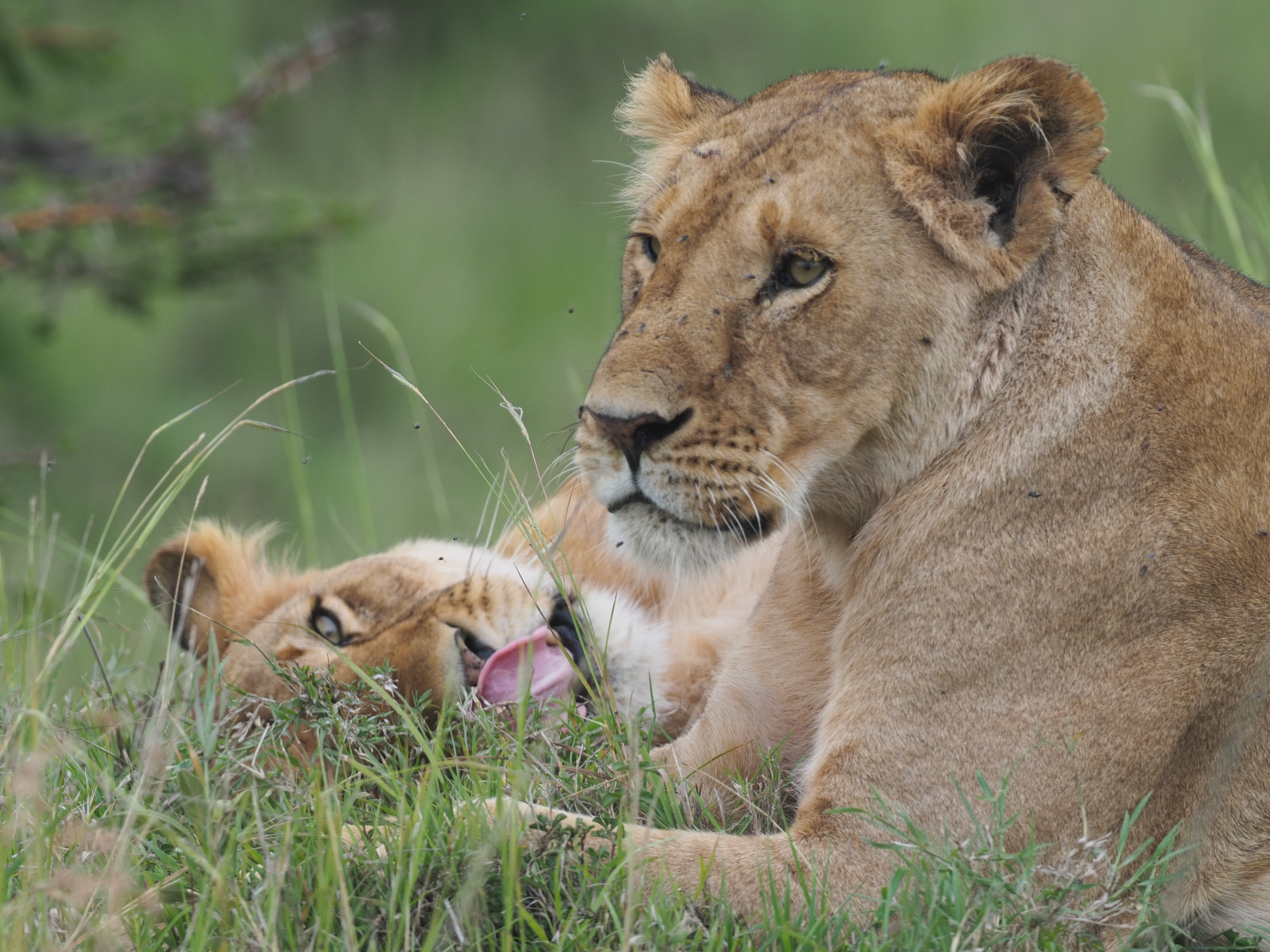
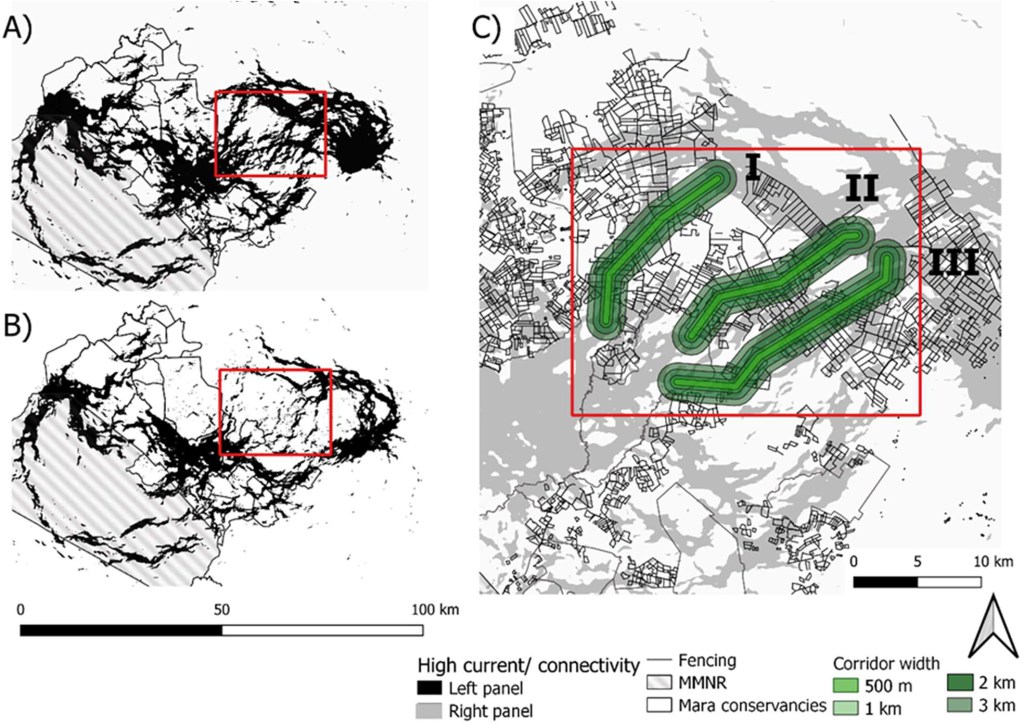
After a long and restless month of travel, I spent 2 weeks in the Maasai Mara meeting with conservancy partners to review progress on project related activities. During this time, we conducted several days of surveys along standardized transects, recording all wildlife greater than 15 kg in body mass (approximately the size of a Thomson’s gazelle or larger) observed within 500 m of the vehicle. Using this approach, my team is generating the first reliable estimate of large herbivore abundance and distribution at the conservancy level, providing critical information to support evidence-based management and conservation decisions.
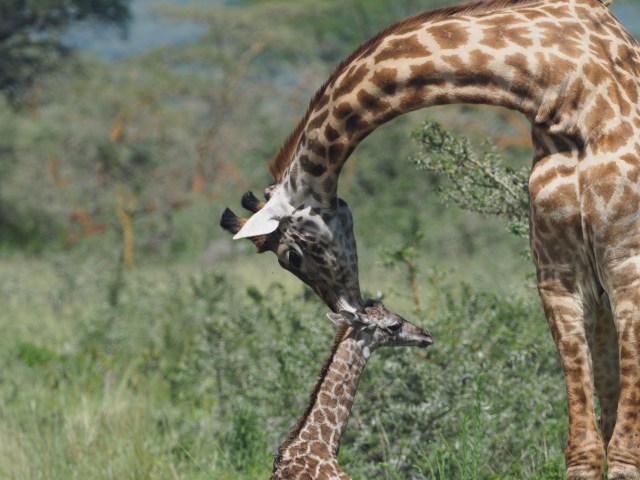
The rain arrived a bit earlier than usual this year – a welcome surprise for many – but making travel across the landscape quite challenging. It is a season of renewal in the Mara, with many newborn hyenas, elephant, wildebeest, and giraffe beginning life amid the flush of lush green vegetation. A wonderful time to be in Kenya, working alongside inspiring partners who are deeply committed to conserving this remarkable landscape for future generations.





 Jared A. Stabach